Omelet vs. Omelette: Spelling Rules, History, and Usage
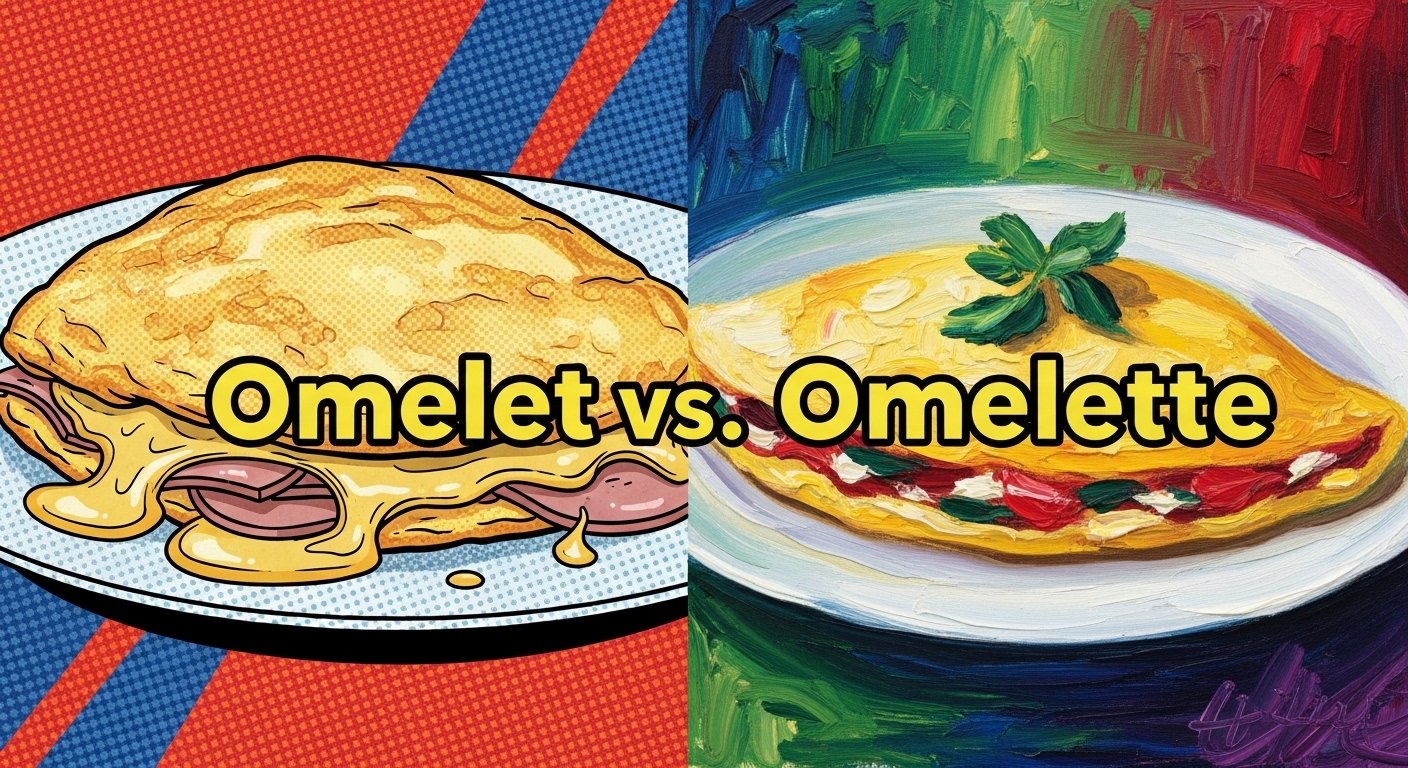
The word for the classic breakfast dish made from beaten eggs can be spelled omelet or omelette. American English typically prefers omelet, while British and other varieties of English favor omelette. Both spellings are correct, but usage depends on regional preferences.
The Historical Origin of Omelet and Omelette
Early English Spellings
The word has evolved over centuries. Historical forms in English include aumulet, ammulet, omlet, and amelet, with the first appearance of omelet in the early 17th century—long before the United States existed.
French Influence
By the 19th century, most of the English-speaking world had settled on the French spelling omelette, except in the U.S., where omelet became the dominant form. The preference reflects editorial trends rather than strict linguistic rules.
Why Different Spellings Persist
No rule prevents Americans from using omelette or British writers from using omelet. Both appear in publications globally, showing flexibility depending on audience and style guides.
Regional English Preferences
American English Usage
In the United States, omelet is the preferred spelling in newspapers, cookbooks, and reference sources. Example sentences include:
- “But hey, you can’t make a revolutionary labor omelet without breaking some eggs.” – Los Angeles Times
- “I’m going to order an omelet—and stand there to watch that you don’t begin by pouring a cup of oil into the pan.” – Forbes
- “The cook wore a plastic glove on his right hand only… which produced a bare-hand-on-my-cheese-omelet effect.” – Wall Street Journal
British and Other English Varieties
In the UK, Australia, New Zealand, and Canada, omelette is standard:
- “You do not make omelette without breaking a few eggs.” – Sydney Morning Herald
- “This recipe is delicious using soft rolls, thin omelette, and super-thin slices of prosciutto or ham.” – Stuff.co.nz
- “He is like someone with an allergy to eggs, drawn against his will to the lovely, fluffy omelette of married life.” – Daily Mail
Comparison Table
| Region | Preferred Spelling | Example Publication |
|---|---|---|
| USA | Omelet | Los Angeles Times, Forbes |
| UK & Australia | Omelette | Daily Mail, Sydney Morning Herald |
| Canada & NZ | Omelette | Globe and Mail, Stuff.co.nz |
Choosing the Right Spelling
For American Audiences
Use omelet for consistency with American English style guides.
For UK, Commonwealth, and International Audiences
Use omelette to align with British and international English norms.
For Academic Writing
Follow the regional style guide assigned. Omelette is generally safer for British English assignments; omelet is correct in American contexts.
For Global Content
If writing for a mixed audience, consider noting both spellings initially, then maintain one for clarity.
Common Mistakes
Mistake 1: Mixing Spellings in One Text
Switching between omelet and omelette within the same article or recipe can confuse readers.
Mistake 2: Assuming One Is Wrong
Both spellings are valid. Incorrectly assuming one is “wrong” can lead to unnecessary edits.
Mistake 3: Overcorrecting
Editors often change omelet to omelette in American publications unnecessarily.
Omelet and Omelette in Everyday Writing
In Recipes
Use the regional preferred spelling for clarity and audience familiarity.
In Media
American newspapers stick with omelet, while UK papers use omelette, even in headlines.
In Casual Writing
Both spellings are widely understood, so your choice is mostly stylistic.
In Health and Lifestyle Articles
Nutrition and dietary content often follows the publication’s standard, e.g., “whites-only omelette” in Canadian media.
Usage Trends
Google Trends and Search Data
Search interest shows omelet dominating in the U.S., while omelette is more common internationally.
Country-Based Usage
- USA: Omelet
- UK, Australia, Canada, NZ: Omelette
Context-Based Usage
Professional cookbooks, recipes, and culinary articles generally follow the regional standard, regardless of audience.
Frequently Asked Questions
Is omelet a real word?
Yes, omelet is recognized in American English dictionaries.
Is omelette a real word?
Yes, omelette is the French-influenced spelling used internationally.
Do they mean different things?
No, both refer to the same egg-based dish.
Which spelling is more common?
In the U.S., omelet is more common; elsewhere, omelette dominates.
Can I use both in one article?
It’s best to choose one for consistency, although both are understood globally.
Which spelling should students use?
Follow your regional style guide: omelet for U.S., omelette for UK/other Commonwealth countries.
Which spelling is better for content writing?
Use the spelling preferred by your target audience for SEO and readability.
Conclusion
Both omelet and omelette are correct, but usage depends on the audience. American English favors omelet, while most other varieties prefer omelette. Understanding these differences ensures your writing is clear, professional, and regionally appropriate.